Overview
Disease outbreaks and epidemics remain one of the most critical public health emergencies in Ghana. They disrupt lives, strain healthcare systems, and pose significant socio-economic challenges. Epidemics often arise from infectious diseases such as cholera, cerebrospinal meningitis (CSM), influenza, COVID-19, and, in some cases, emerging zoonotic diseases.
Overview
Coastal erosion is the gradual loss of land along the shoreline due to natural forces such as wave action, tidal currents, storm surges, and rising sea levels, as well as human activities. Ghana’s 550 km coastline is highly vulnerable, with communities, infrastructure, and livelihoods directly exposed.
Hazard Overview
Floods are one of the most frequent and devastating natural disasters in Ghana. They occur mainly during the rainy season (April–June and September–October), with both riverine flooding (caused by overflow of rivers such as the White Volta, Black Volta, Oti, and Pra) and urban flooding (caused by heavy rainfall, poor drainage, and unplanned settlements in low-lying areas). Sudden dam spillage events, such as from the Akosombo and Bagre Dams, also contribute significantly to flood risk.

Overview
Fire disasters are among the most common emergencies in Ghana, posing a significant threat to lives, property, and livelihoods. They occur in both rural and urban areas and are often linked to domestic, industrial, commercial, and environmental activities.
Overview
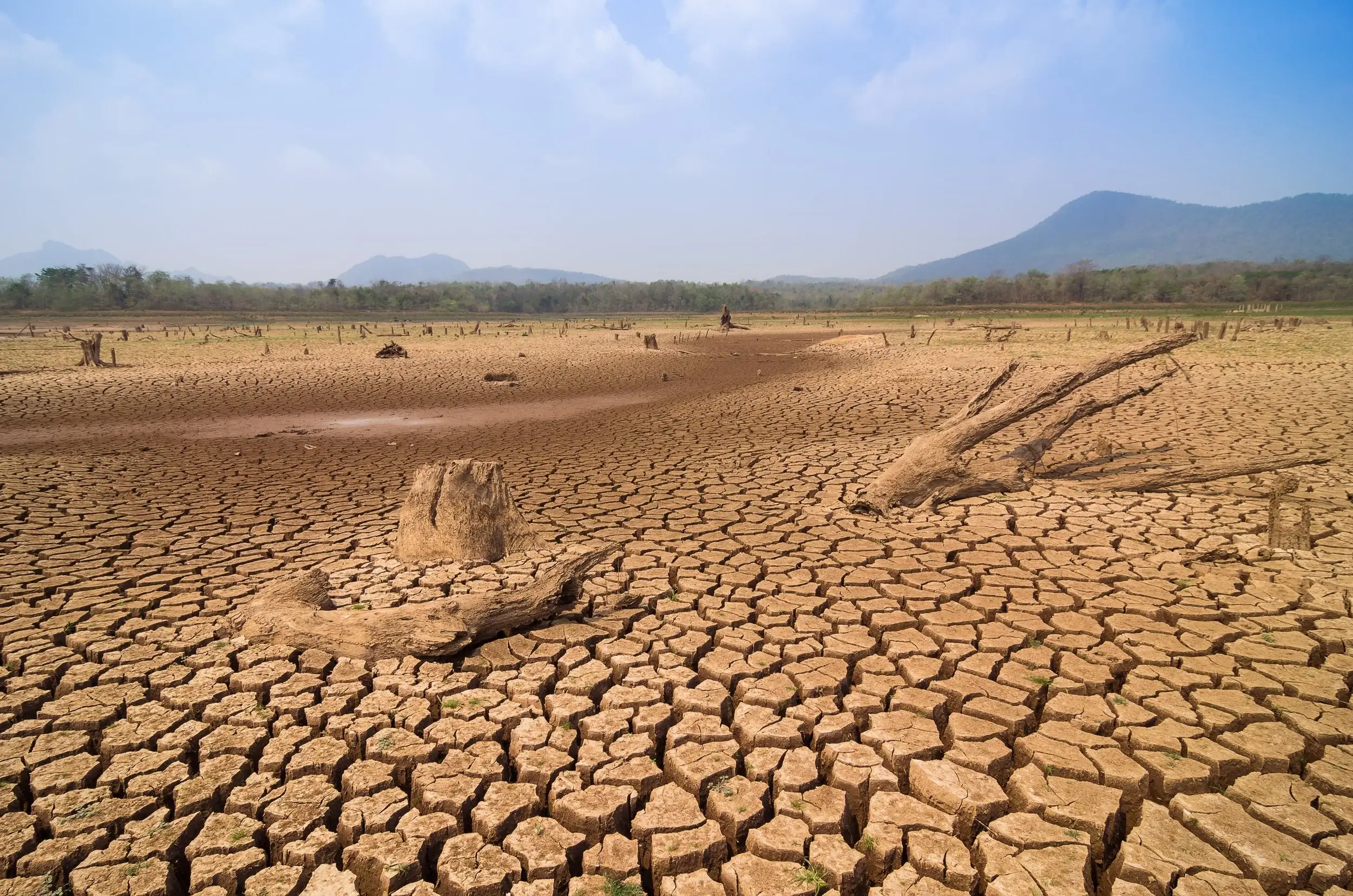
Drought is a prolonged period of below-average rainfall that results in water scarcity, reduced soil moisture, and adverse impacts on agriculture, livelihoods, and ecosystems. In Ghana, drought is a recurring hazard, especially in the northern savannah zones, where rainfall is highly variable and communities largely depend on rain-fed agriculture.