 An official website of the National Disaster Management Organisation
Description of the Hazard
-
Nature of hazard: Uncontrolled combustion that causes destruction to people, property, and the environment.
-
Types in Ghana:
-
Domestic/residential fires
-
Market fires
-
Industrial fires
-
Wildfires/bushfires
-
Institutional fires (schools, hospitals, offices)
-
Global and National Relevance
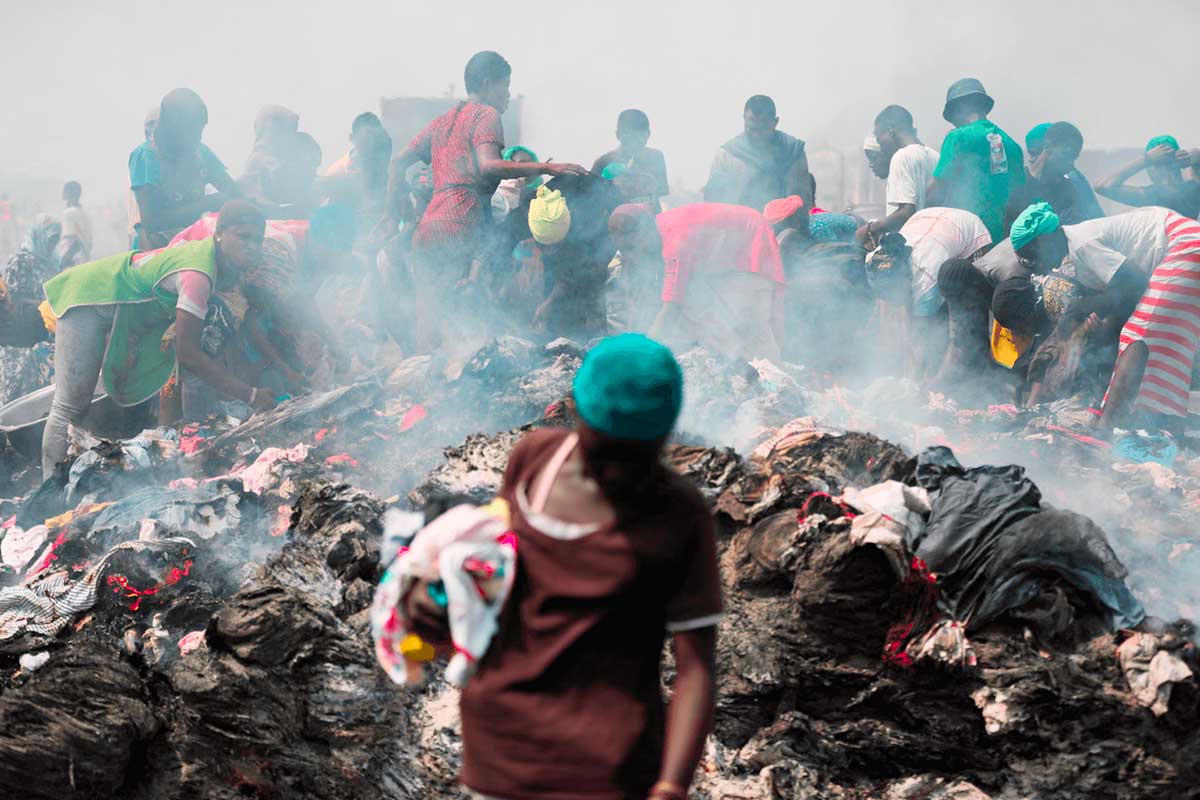
Globally, fire hazards account for billions of dollars in losses annually. In Ghana, fires are recurrent and among the top five disasters reported yearly. Notable incidents include repeated market fires (e.g., Makola, Kumasi Central Market), domestic gas explosions, and dry season bushfires in northern Ghana.
Major Causes in Ghana
-
Poor electrical wiring and overloaded circuits
-
Use of substandard electrical appliances
-
Gas leakages and explosions from LPG use
-
Open flames in markets and homes
-
Harmattan season bushfires from farming and hunting activities
-
Careless disposal of cigarette stubs
-
Lack of enforcement of fire safety regulations
Impacts
-
Human: Deaths, burns, injuries, displacement, and psychological trauma
-
Economic: Destruction of businesses, especially markets, disruption of supply chains, loss of goods worth millions of cedis
-
Environmental: Bushfires destroy vegetation, soil fertility, and wildlife
-
Social: Disruption of education and healthcare services when schools and hospitals are affected
Vulnerable Groups
-
Informal traders and market women
-
Urban poor in densely populated residential areas
-
Rural farming communities in northern Ghana during the dry season
-
Children, elderly, and persons with disabilities
Seasonality / Frequency
-
Bushfires: Peak during the Harmattan season (November – March)
-
Market & Domestic fires: Occur year-round, with spikes during festive seasons due to high electricity demand and cooking activities
Current Situation in Ghana
-
Fire outbreaks remain a persistent challenge despite awareness campaigns.
-
Ghana National Fire Service (GNFS) responds to thousands of fire cases annually.
-
Frequent fire outbreaks in major commercial hubs such as Accra, Kumasi, and Tamale continue to undermine economic stability.
-
Climate variability and increasing urbanization exacerbate the risk.
Response & Management
-
Lead Agency: Ghana National Fire Service (GNFS)
-
Support Agencies: NADMO, Metropolitan/Municipal/District Assemblies (MMDAs), Ghana Police Service, Ambulance Service, Environmental Protection Agency (EPA)
-
Key Actions:
-
Fire safety education and public awareness
-
Regular inspection of public facilities and markets
-
Installation of fire hydrants in urban centers
-
Community fire volunteer squads for bushfire prevention
-
Enforcing building codes and fire safety regulations
-
Public Safety Measures
-
Ensure proper electrical wiring and use of certified appliances
-
Keep fire extinguishers in homes, offices, and vehicles
-
Practice safe cooking and handling of LPG
-
Avoid burning rubbish and farmlands during dry seasons
-
Comply with fire safety regulations in markets and public places